Winter Flowers: How to Keep Your Garden and Balcony Colourful in Winter
3 min.
Published on 29.10.2026
Updated on 29.10.2026
When temperatures drop and summer blooms disappear, it can seem as though the gardening season has come to an end. However, winter does not have to mean bare flower beds, empty planters and dull outdoor spaces. With the right plant choices, winter flowers can bring colour, texture and life to your garden, balcony or doorstep, even during the colder months.
Some plants flower through winter, while others provide attractive foliage, colourful buds or early blooms that appear towards the end of the season. Pansies, violas, hellebores, ornamental cabbages and selected varieties of winter heather are among the most popular choices for adding interest to outdoor spaces. Snowdrops and crocuses are also excellent options for welcoming the first signs of spring.
The best plants for your space will depend on your local climate, available sunlight, exposure to wind and whether you are planting directly in the ground or using containers. A plant that survives frost in a garden bed may need additional protection when grown in a small pot.
In this guide, you will discover the best winter flowers for gardens, which varieties work well as winter flowers for balconies, how to grow winter flowers in pots, and how to care for outdoor plants throughout the coldest part of the year.
What Are the Best Winter Flowers?
Winter flowers are plants that bloom during the colder months or remain decorative when many other garden plants become dormant. Some are seasonal bedding plants, while others are hardy perennials or bulbs that return year after year.
It is important to distinguish between plants that flower in winter and those that simply tolerate cold weather. Not every frost-resistant plant will bloom throughout the season, and not every flowering plant sold during winter is suitable for outdoor conditions.
Here are some of the best varieties to consider.
1. Pansies and Violas
Pansies and violas are among the most reliable choices for winter displays. They come in a wide range of colours, including purple, yellow, white, blue, burgundy and mixed shades. Their cheerful flowers can brighten window boxes, garden borders, hanging containers and small balconies.
In mild conditions, many varieties continue flowering through winter. During particularly cold spells, growth and flowering may slow down, but established plants can often recover when temperatures rise.
Pansies and violas prefer a bright position and well-drained soil. They need regular checks for moisture, although they generally require less watering in winter than during warmer months. Remove faded flowers when practical to encourage further blooming.
These plants are especially useful if you want an immediate splash of colour without waiting for bulbs or perennials to establish themselves.
2. Hellebores
Hellebores are elegant perennial plants that can flower from winter into early spring, depending on the species, variety and local climate. Often associated with the name Christmas rose, certain hellebores produce delicate white, cream, pink, purple or greenish flowers when much of the garden is still dormant.
They are particularly well suited to partially shaded borders, woodland-style gardens and sheltered outdoor containers. Their attractive foliage also provides structure outside the flowering period.
Hellebores prefer fertile, well-drained soil with consistent but moderate moisture. They generally dislike waterlogged conditions, particularly during cold weather.
One important consideration is safety: hellebores are poisonous if ingested. Wear gloves when handling them if you have sensitive skin, and keep them away from children and pets that may chew plants.
3. Ornamental Cabbage and Kale
Ornamental cabbage and kale are grown primarily for their colourful leaves rather than their flowers. Their rosettes may feature shades of white, pink, purple and green, making them attractive additions to winter containers and flower beds.
Their foliage often becomes more colourful as temperatures cool, giving them particular appeal during autumn and winter. They work well when combined with pansies, violas and evergreen plants.
These plants generally prefer a sunny position and soil that drains well. Although they tolerate cool weather, prolonged severe frost and waterlogged soil can still cause damage.
Ornamental cabbage and kale are an excellent choice if you want a winter display that remains decorative even when flowering plants temporarily stop blooming.
4. Winter Heather and Erica
Heather and erica can provide colour and texture throughout the colder season, but it is important to choose the right variety. Some heathers flower mainly in autumn, while particular erica species bloom during winter or early spring.
Their small flowers create a dense carpet of colour, and their compact growth makes them suitable for garden borders, rock gardens and containers.
Many varieties prefer acidic, well-drained soil and a sunny or lightly shaded position. However, soil requirements and cold tolerance vary between species, so check the plant label before purchasing.
Heather also works well in low-maintenance planting schemes because it can complement evergreen shrubs, ornamental grasses and other winter-interest plants.
5. Snowdrops
Snowdrops are among the best-known signs that winter is coming to an end. Their delicate white flowers often emerge while the weather is still cold, sometimes appearing through frost or snow.
They are particularly attractive when planted in groups beneath deciduous trees, along woodland edges or beside garden paths. Once established, they can form natural-looking colonies and return each year.
Snowdrop bulbs are generally planted in autumn. They prefer soil that remains reasonably moist but does not become waterlogged, along with conditions that suit the particular species.
Although snowdrops are not usually in flower throughout the entire winter, they are ideal for gardeners who want to introduce colour and interest towards the end of the season.
6. Crocuses
Crocuses are another excellent option for late-winter and early-spring colour. Their flowers may be purple, yellow, white or striped, depending on the variety.
They can be planted in garden borders, rockeries, lawns and containers. For a natural effect, plant groups of bulbs rather than arranging them in isolated rows.
Most spring-flowering crocuses are planted in autumn. Choose a sunny or lightly shaded location with well-drained soil, as excessive moisture can cause bulbs to rot.
Crocuses are particularly effective when combined with snowdrops and other early-flowering bulbs, creating a gradual transition from winter into spring.
Winter Flowers for Gardens: How to Choose the Right Plants
Choosing winter flowers for gardens involves more than selecting attractive colours. The best plants are those that suit the conditions in your outdoor space and can cope with the winter weather in your area.
Start by assessing sunlight and shade. Pansies, violas and many crocuses perform well in relatively bright positions, while hellebores are often better suited to partial shade. Heather and erica need the appropriate soil conditions to thrive.
Drainage is equally important. Cold, saturated soil can damage roots and encourage rot, even in plants that tolerate frost. If your garden has heavy clay soil, consider improving drainage where appropriate or using raised beds.
You should also think about the overall structure of the garden. Winter displays can look sparse if every plant loses its foliage or finishes flowering at the same time. Combining flowering plants with evergreen shrubs, ornamental grasses and decorative foliage creates a more balanced display.
When Should You Plant Winter Flowers?
Many seasonal bedding plants, including pansies and violas, are planted in autumn so that they can establish their roots before severe frost arrives.
Spring-flowering bulbs, such as snowdrops and crocuses, are generally planted in autumn too. Their flowering time depends on the species, variety and weather conditions.
If you are planting later in the season, choose healthy plants that are suitable for the current conditions. Avoid planting into frozen or waterlogged soil, and provide extra protection if severe weather is forecast.
Winter Flowers for Balconies: The Best Choices for Small Spaces
You do not need a large garden to enjoy flowers during winter. With suitable containers and careful plant selection, even a small balcony can become a colourful outdoor retreat.
The best winter flowers for balconies depend on how exposed the space is. A sheltered balcony with plenty of daylight offers more options than an open terrace exposed to strong winds and prolonged frost.
Pansies and violas are excellent choices for window boxes and planters. Ornamental cabbage provides attractive foliage, while suitable winter-flowering heather can introduce texture and seasonal colour. Hellebores may also grow well in larger containers in sheltered, partially shaded positions.
For exposed balconies, choose sturdy containers and position them where they receive some protection from prevailing winds. Avoid placing pots where rainwater collects or where cold draughts funnel through narrow spaces.
How to Arrange Flowers on a Winter Balcony
A simple arrangement often looks better than a container crowded with too many different plants. Choose two or three complementary colours and combine plants with contrasting shapes and textures.
For example, purple and white violas can be paired with ornamental cabbage and evergreen foliage. A group of matching containers can create a coordinated look, while a larger statement pot can provide a focal point near the entrance to the balcony.
Consider the weight and stability of the containers, particularly on high balconies where wind can be strong. Secure window boxes properly and avoid placing heavy pots where they could fall or create a hazard.
Winter Flowers in Pots: How to Grow Them Successfully
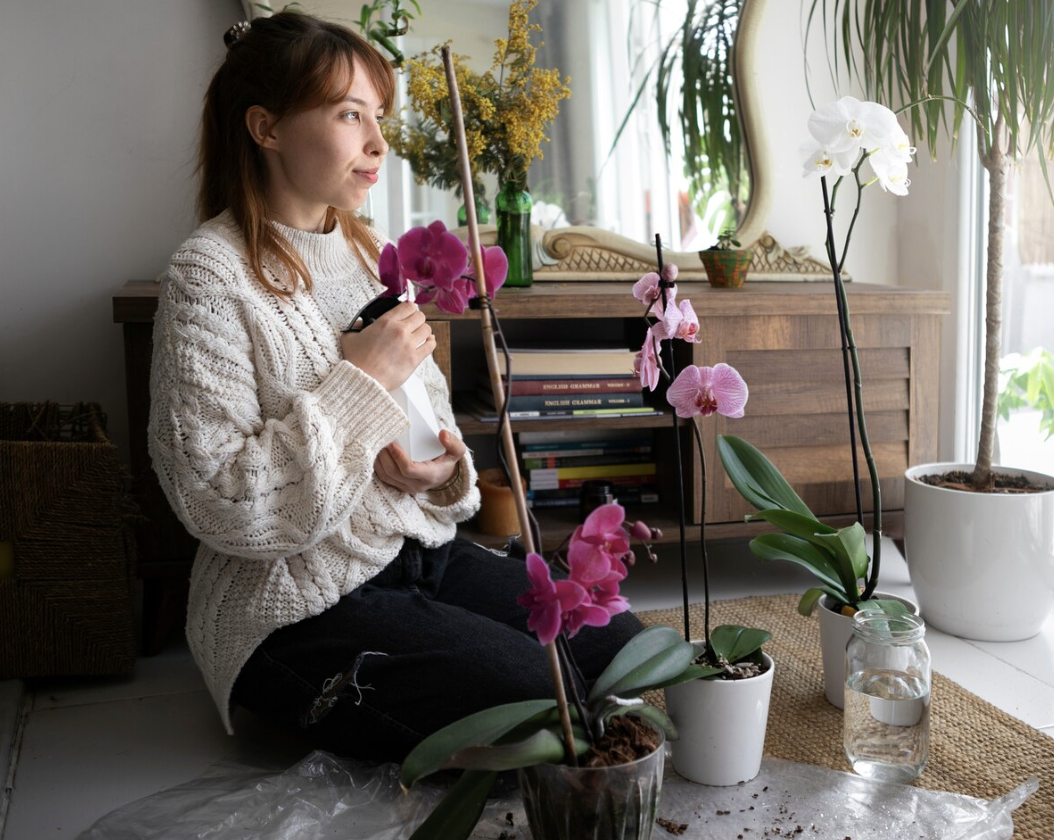
Growing winter flowers in pots offers flexibility. Containers can be moved to more sheltered positions, rearranged to suit your outdoor space or protected when severe weather arrives.
However, container gardening requires special attention during winter. In the ground, plant roots benefit from the insulation provided by surrounding soil. In a pot, roots are exposed to cold air from the sides as well as from above, making them more vulnerable to freezing temperatures.
Choose the Right Container
Select pots with drainage holes so excess water can escape. Containers that retain water can become especially problematic in winter, when evaporation is slower.
Choose a pot that provides enough room for the roots without being unnecessarily large. Very small containers dry out and freeze more quickly, while oversized containers can remain excessively wet if the growing medium is poorly drained.
Some terracotta and ceramic pots can crack when water trapped inside them freezes. Frost-resistant containers or durable plastic alternatives may be more practical in exposed locations.
Use Suitable Potting Mix
Most winter container plants benefit from a free-draining growing medium. Use a suitable potting mix for the plant species, paying attention to whether it prefers neutral or acidic conditions.
For example, heather and erica generally need an acidic growing medium, whereas pansies and violas can grow in a standard, good-quality multipurpose compost suitable for outdoor containers.
Do not assume that one compost mixture is ideal for every winter plant. Matching the growing medium to the plant's needs will improve root health and overall performance.
Water Carefully in Winter
Plants still need water during winter, but they usually use less than they do in summer. Check the growing medium before watering rather than following a fixed daily schedule.
Water when the soil is beginning to dry, and avoid leaving containers standing in water-filled saucers. Whenever possible, water during the milder part of the day and avoid watering frozen soil.
During periods of prolonged rain, sheltered containers may need less frequent watering than those beneath a roof or balcony overhang.
Protect Pots During Severe Frost
If a period of very low temperatures is forecast, move vulnerable containers to a sheltered position where possible. Wrapping the outside of a pot with suitable insulating material can help reduce temperature fluctuations around the roots.
Grouping containers together in a protected area may also reduce their exposure to wind. However, protection should be appropriate to the plant: some hardy varieties can remain outdoors, while less tolerant plants may require a frost-free environment.
Avoid moving outdoor plants directly into a hot room unless their care requirements call for it. Sudden temperature changes can cause stress, and many winter-hardy plants benefit from remaining in cool conditions.
Comparison Table: Popular Winter Flowers and Their Care Requirements
The following table provides a quick overview of suitable plants for different outdoor spaces.
| Plant | Best location | Main winter feature | Essential care |
|---|---|---|---|
| Pansies and violas | Gardens, balconies and window boxes | Colourful flowers | Bright position, moderate watering and good drainage |
| Hellebores | Partially shaded borders and large pots | Winter or early-spring blooms | Moist but well-drained soil |
| Ornamental cabbage and kale | Sunny beds and containers | Decorative coloured foliage | Good drainage and protection during severe weather |
| Winter-flowering erica | Suitable borders and containers | Small winter or early-spring flowers | Appropriate acidic growing medium and careful watering |
| Snowdrops | Garden beds and areas beneath deciduous trees | Delicate white flowers | Plant bulbs in autumn and avoid waterlogged soil |
| Crocuses | Borders, lawns and pots | Early seasonal colour | Autumn planting and well-drained soil |
| Primroses | Sheltered gardens and cool containers | Colourful flowers in late winter or spring, depending on variety | Cool conditions and moderate moisture |
Flowering periods and frost tolerance vary according to the species, cultivar, climate and growing conditions. Check the plant label for specific guidance before leaving a plant outdoors throughout winter.
Outdoor Winter Flowers: How to Protect Plants from Frost
When choosing outdoor winter flowers, check their cold tolerance rather than relying on their appearance in a garden centre. Plants displayed in sheltered retail environments may need time to acclimatise before being exposed to harsh weather.
During severe frost, container-grown plants are often more vulnerable than those planted directly in the ground. Move pots to a sheltered position when practical, and use suitable horticultural fleece for plants that need temporary protection.
Mulching can help protect roots and moderate changes in soil temperature. Apply a suitable layer around established plants, keeping it away from the crown or base of stems where excess moisture could cause problems.
Avoid unnecessary pruning during severe winter weather, especially when stems and foliage provide protection to the plant. Remove damaged or diseased material when conditions allow, and follow the pruning requirements of each species.
Feeding is generally less important during the coldest part of the year, when many plants grow slowly. Avoid excessive fertiliser that encourages tender new growth at the wrong time. Resume feeding when active growth begins and the plant's requirements call for it.
Common Mistakes to Avoid When Growing Winter Flowers
One of the most frequent mistakes is overwatering. Because temperatures are low and evaporation is slow, soil can remain wet for longer than expected. Always check moisture levels before watering and make sure containers drain freely.
Another common problem is choosing a plant without checking its growing requirements. Some flowering plants sold in winter are intended for indoor use or sheltered conditions rather than exposed outdoor spaces. Confirm whether a plant is suitable for your garden or balcony before buying it.
Poor drainage can be just as damaging as cold temperatures. Waterlogged roots may deteriorate even when the plant is described as hardy. If your soil retains too much moisture, consider raised beds, an appropriate growing medium or containers with drainage holes.
Finally, do not underestimate wind exposure. Cold winds can dry foliage and increase stress, particularly for plants growing in small pots. A sheltered position and appropriate container size can make a significant difference to how well plants survive the season.
How to Create Attractive Winter Flower Displays
A successful winter display combines plants that provide interest at different times and in different ways. Flowering plants supply colour, while evergreen foliage and ornamental leaves create structure between flowering periods.
For a traditional look, combine white and purple pansies with evergreen foliage. For a more contemporary display, use a restrained colour palette with ornamental cabbage, compact heather and simple containers.
In a garden, plant bulbs in groups to create natural-looking drifts. Position taller plants behind lower-growing varieties and use evergreen shrubs to maintain visual interest throughout the season.
On a balcony, repeat the same plants or colours in several containers to create a sense of unity. Remember to leave enough room for airflow and growth rather than packing every pot tightly.
With thoughtful planning, a winter display can look attractive from late autumn until the first spring flowers appear.
Conclusion: Bring Colour to Your Outdoor Space with Winter Flowers
Winter does not have to be a season without flowers. The right winter flowers can brighten garden borders, balconies, window boxes and outdoor containers even when temperatures fall.
Pansies and violas are versatile choices for colourful displays, hellebores provide elegant seasonal blooms, and ornamental cabbage adds interest through its foliage. Snowdrops and crocuses are ideal for introducing the first signs of spring, while suitable varieties of heather and erica offer texture and colour in winter planting schemes.
The key is to choose plants that suit your local climate, provide well-drained soil and protect vulnerable containers when severe frost is expected. By matching each plant to the conditions in your outdoor space, you can create a garden or balcony that remains inviting throughout the colder months.
Frequently Asked Questions
Which winter flowers can survive frost?
Pansies, violas, hellebores, ornamental cabbage and certain varieties of heather or erica can tolerate cool weather and some frost. Their actual hardiness depends on the variety, the duration and intensity of the cold, drainage and whether the plants are growing in the ground or in containers.
What are the best winter flowers for balconies?
Pansies, violas and ornamental cabbage are practical choices for many balconies. Suitable winter-flowering heather can also work well, while hellebores may thrive in larger containers in sheltered, partially shaded areas. Exposed balconies may require additional protection during severe frost.
Can winter flowers grow in pots?
Yes. Many seasonal flowers and hardy perennials grow well in pots, provided the containers have drainage holes and enough room for the roots. Because roots in containers are more exposed to freezing temperatures, pots may need insulation or a sheltered position during prolonged cold spells.
When should winter flowers be planted?
Many seasonal bedding plants are planted in autumn, before persistent frost arrives. Spring-flowering bulbs, including snowdrops and crocuses, are also generally planted in autumn. The ideal planting time depends on the species, variety and local climate.
testing22

Vanya Ilieva, the first certified florist in Bulgaria. She has 10 years of experience in floral design, and her path with flowers has taken her from business events to recreating the fairy tale called a wedding. She graduated from the largest private university in America, Floral Design Institute in Oregon. Her talent has been recognized by Bulgarian and international specialists from around the world.