Best Autumn Flowers for the Garden – Ideas & Tips
2 min.
Published on 03.10.2026
Updated on 03.10.2026
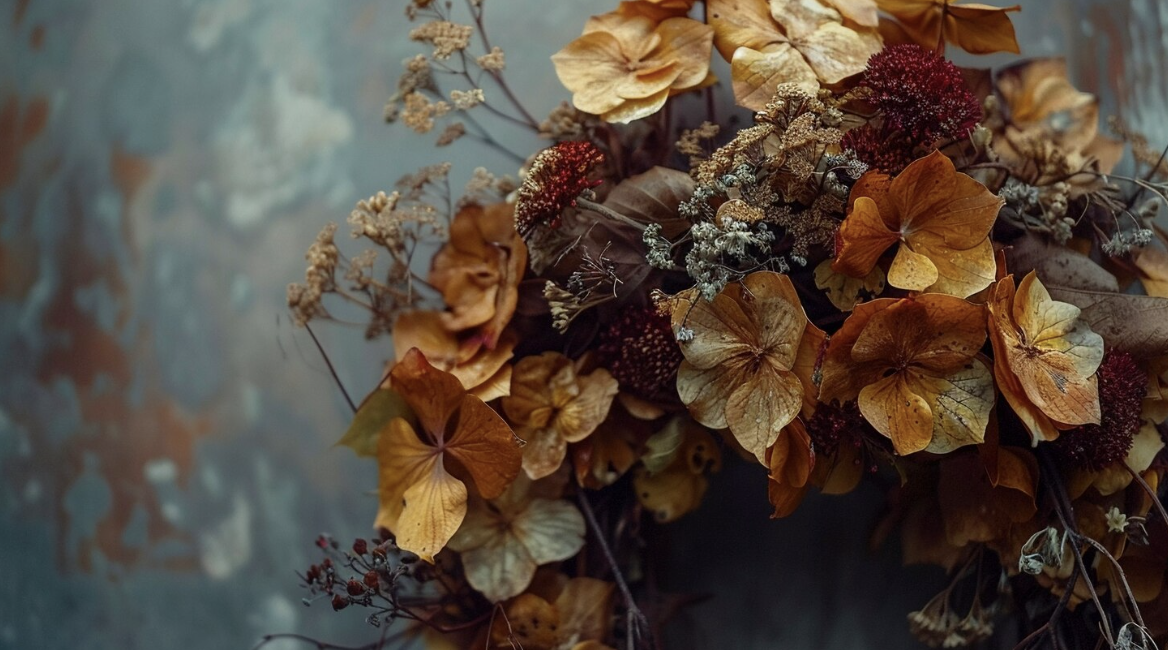
When summer begins to fade, the garden doesn't have to lose its color. In fact, autumn can be one of the most beautiful seasons in the garden, with rich shades of yellow, orange, pink, purple, red, and white bringing outdoor spaces to life.
While some summer flowers are coming to the end of their blooming season, others are only beginning to show their best colors. Chrysanthemums, asters, dahlias, violas, sedum, ornamental cabbage, and ornamental grasses can all add texture and color to flower beds, patios, balconies, and containers.
If you're looking for autumn flowers for the garden, there are plenty of options to choose from. Some prefer full sun, others tolerate partial shade, and several can continue flowering well into the cooler months.
In this guide, we'll explore some of the best fall-blooming flowers, how to combine them, and how to care for them so your garden stays colorful for as long as possible.
What Are the Best Autumn Flowers for the Garden?
The cooler temperatures and shorter days of autumn don't necessarily mean the end of the gardening season. Many plants actually thrive in these conditions and can provide spectacular color when summer flowers begin to fade.
Here are some of the best flowers for fall gardens.
Chrysanthemums – The Classic Autumn Flower
It's hard to imagine an autumn garden without chrysanthemums. They are among the most popular fall flowers and come in an impressive variety of colors, shapes, and sizes.
You can find chrysanthemums in white, yellow, orange, pink, purple, red, and deep burgundy. Some varieties produce compact, rounded blooms, while others have large, decorative flowers.
Chrysanthemums work beautifully in flower beds, pots, planters, and containers. Planting several varieties together can create a rich autumn display with different colors and flower shapes.
Care tip: Chrysanthemums generally prefer a bright, sunny position and well-drained soil. Avoid keeping the soil constantly wet, especially during periods of frequent autumn rain.
Asters – Delicate Blooms for the End of the Season
Asters are another excellent choice if you want autumn-blooming flowers that bring color to the garden as temperatures begin to drop.
Their daisy-like flowers are commonly found in shades of purple, blue, pink, and white. The small blooms grow in clusters, creating a soft and abundant effect.
Asters work particularly well for:
- flower beds;
- borders;
- cottage-style gardens;
- natural-looking planting schemes;
- combinations with chrysanthemums;
- planting alongside ornamental grasses.
Taller varieties can be placed toward the back of a flower bed, while shorter varieties work well along borders and pathways.
Dahlias – A Dramatic Autumn Garden Accent
If you want large, eye-catching flowers, dahlias are an excellent choice.
They come in an extraordinary range of shapes and sizes, from small, simple blooms to large, layered flowers. Their colors range from white and cream to yellow, orange, pink, red, and deep burgundy.
Dahlias prefer sunny locations and fertile, well-drained soil. With suitable conditions, they can continue blooming into autumn, often until the first significant frosts.
They are particularly effective when used as focal points in a colorful autumn garden.
Cyclamen – Beautiful Flowers for Cooler Days
Cyclamen is a beautiful choice for the cooler months of the year. Its delicate flowers rise above attractive foliage and can appear in shades of white, pink, red, and purple.
Cyclamen works particularly well in:
- pots and containers;
- sheltered outdoor spaces;
- balconies and patios;
- partially shaded areas;
- autumn decorative arrangements.
When growing cyclamen outdoors, choose a location suitable for the particular variety and protect less hardy plants from severe frost.
Violas – Small Flowers with Plenty of Color
Violas are a practical and colorful choice for autumn flower arrangements. They can add fresh color to spaces where many summer flowers have already started to fade.
They are compact, making them ideal for:
- pots;
- window boxes;
- hanging planters;
- borders;
- small garden beds.
Violas are available in many combinations of purple, yellow, blue, white, orange, and burgundy. Some varieties can tolerate cooler temperatures and, under favorable conditions, may continue flowering through winter and into spring.
For a particularly attractive autumn display, combine violas with ornamental cabbage, chrysanthemums, or low-growing ornamental grasses.
Ornamental Cabbage – Color Without Flowers
Not every plant needs flowers to make an autumn garden beautiful.
Ornamental cabbage is a great example. Its decorative rosettes can develop striking shades of green, white, pink, purple, and cream as temperatures become cooler.
It works particularly well in:
- autumn containers;
- balcony planters;
- flower borders;
- mixed displays;
- decorative pots near entrances.
One of its advantages is that its foliage can remain attractive even after many flowering plants have finished blooming.
Try combining ornamental cabbage with chrysanthemums for a classic autumn arrangement.
Autumn Crocus – A Delicate Surprise
Autumn crocus can bring a beautiful surprise to the garden just when many summer plants are finishing their flowering season.
The flowers are usually found in soft pink or purple shades and can look particularly attractive when planted in natural-looking groups.
One important point is that autumn crocuses in the genus Colchicum are different from spring-flowering crocuses and are toxic if ingested. They should therefore be planted in locations where children and pets cannot access them.
Sedum – A Low-Maintenance Autumn Favorite
Sedum, also known as stonecrop, is an excellent option for sunny and relatively dry areas of the garden.
Its fleshy leaves store water, while its dense clusters of flowers can provide pink, red, or purplish tones during late summer and autumn.
Sedum is particularly suitable for:
- rock gardens;
- dry gardens;
- sunny borders;
- containers;
- low-maintenance planting schemes.
If you're looking for easy-to-grow autumn flowers, sedum is worth considering.
Ornamental Grasses – Texture and Movement
Flowers aren't the only way to create an attractive autumn garden.
Ornamental grasses add height, texture, and movement. Their flower heads and foliage move gently in the wind, while their golden, bronze, and brown tones complement the natural colors of autumn.
They can be combined with:
- chrysanthemums;
- asters;
- sedum;
- dahlias;
- ornamental cabbage.
Tall ornamental grasses can also provide structure behind shorter flowering plants, helping create a more layered and natural-looking garden.
How to Combine Autumn Flowers
You don't need dozens of different plants to create an impressive autumn display. The key is to combine different colors, heights, textures, and flowering periods.
Warm Autumn Colors
For a traditional autumn look, combine:
orange + yellow + red + burgundy
Chrysanthemums, dahlias, ornamental cabbage, and ornamental grasses work particularly well in this type of arrangement.
Soft and Elegant Colors
For a more delicate look, choose:
purple + pink + white + silver-green
Asters, violas, and chrysanthemums can create an elegant combination without overwhelming the space.
A Natural-Looking Garden
For a relaxed, natural appearance, combine plants of different heights:
- tall ornamental grasses at the back;
- asters and chrysanthemums in the middle;
- sedum and violas toward the front.
This creates layers of color and texture that remain interesting throughout the season.
When Should You Plant Autumn Flowers?
The ideal planting time depends on the plant, the local climate, and whether you're planting seeds, bulbs, or established plants.
Many ready-grown autumn flowers can be planted toward the end of summer or in early autumn. Bulbs and other dormant plants have different planting requirements, so always check the recommended planting period for the particular species.
The most important consideration is giving newly planted flowers enough time to establish their roots before the ground becomes consistently cold.
How to Care for Autumn Flowers
Autumn flowers generally require less water than plants growing during the height of summer. However, they still need appropriate care.
Water According to the Weather
Check the soil regularly. During a warm, dry autumn, plants may still need regular watering. During periods of heavy rainfall, avoid excessive watering and make sure the soil drains properly.
Give Plants Enough Light
Many popular autumn-blooming flowers perform best in full sun or in a location that receives several hours of direct sunlight each day.
However, some plants, such as cyclamen and certain violas, can tolerate partial shade.
Remove Spent Flowers
Removing faded flowers can help keep plants looking tidy. For some species, deadheading can also encourage further flowering.
Take Care of the Soil
Good drainage becomes particularly important in autumn because rainfall tends to become more frequent.
Before planting, improve poor soil with suitable organic matter or compost. Avoid planting in areas where water regularly collects.
Autumn Flowers for the Garden or Containers?
You don't need a large garden to enjoy autumn color.
Many autumn flowers grow beautifully in:
- balcony planters;
- pots;
- window boxes;
- decorative containers;
- raised beds;
- small garden borders.
For a balcony, try combining compact chrysanthemums, violas, and ornamental cabbage. If you have a larger patio or terrace, add an ornamental grass or sedum to create different levels and textures.
How to Keep Your Garden Colorful Until Late Autumn
One of the best ways to extend the flowering season is to choose plants with different blooming periods.
Rather than relying on one type of flower, combine several species that flower at slightly different times. As one plant begins to fade, another can take center stage.
A combination of:
chrysanthemums + asters + sedum + ornamental grasses + violas
can provide a varied display of color, foliage, texture, and height throughout the autumn season.
Popular Autumn Flowers at a Glance
| Plant | Blooming period | Best for | Light |
|---|---|---|---|
| Chrysanthemums | Late summer – autumn | Beds, pots, containers | Full sun |
| Asters | Summer – autumn | Borders, beds | Full sun |
| Dahlias | Summer – autumn | Flower beds, focal displays | Full sun |
| Cyclamen | Autumn – winter, depending on variety | Pots, sheltered areas | Partial shade |
| Violas | Autumn – spring | Pots, borders, window boxes | Sun / partial shade |
| Ornamental cabbage | Autumn – winter | Containers, beds | Full sun |
| Autumn crocus | September – October | Natural planting schemes | Sun / partial shade |
| Sedum | Summer – autumn | Rock gardens, dry borders | Full sun |
| Ornamental grasses | Summer – autumn | Borders, containers | Full sun |
Frequently Asked Questions About Autumn Flowers
What are the best autumn flowers for the garden?
Some of the most popular choices include chrysanthemums, asters, dahlias, sedum, violas, ornamental cabbage, cyclamen, and ornamental grasses. The best choice depends on your garden's sunlight, soil, available space, and local climate.
Which flowers bloom in autumn?
Chrysanthemums, asters, dahlias, sedum, and many varieties of viola can provide color during autumn. Some plants may continue blooming into late autumn when weather conditions remain favorable.
Which autumn flowers are suitable for pots?
Chrysanthemums, violas, cyclamen, and ornamental cabbage are excellent choices for pots and containers. Choose a container with drainage holes and enough space for the plant's roots.
Can autumn flowers survive the first frost?
It depends on the species and variety. Some autumn plants can tolerate brief periods of cold weather, while others are sensitive to frost. Container plants can often be moved to a sheltered location when severe frost is expected.
What flowers should I plant for a colorful autumn garden?
For the best visual effect, combine plants with different heights, textures, colors, and flowering periods. For example, chrysanthemums and asters can provide the main burst of color, while ornamental grasses, sedum, and ornamental cabbage add structure and texture.
Bring Color to Your Garden This Autumn
The end of summer doesn't have to mean the end of the gardening season. With the right selection of autumn flowers for the garden, you can keep your outdoor space colorful and attractive well into the cooler months.
Chrysanthemums, asters, dahlias, violas, sedum, ornamental cabbage, cyclamen, and ornamental grasses each bring something different to the autumn garden – from vibrant blooms and rich foliage to texture, height, and movement.
The key is to choose plants according to your growing conditions and combine different varieties so that something is always adding interest to the garden.
With a little planning, autumn can become more than the transition between summer and winter. It can be one of the most colorful and rewarding seasons in your garden.


Vanya Ilieva, the first certified florist in Bulgaria. She has 10 years of experience in floral design, and her path with flowers has taken her from business events to recreating the fairy tale called a wedding. She graduated from the largest private university in America, Floral Design Institute in Oregon. Her talent has been recognized by Bulgarian and international specialists from around the world.